World Menopause Day: Midlife can throw up a range of issues – aching, hurting, lack of sleep, temperature dysregulation and plenty of other issues.

PCOS Awareness Month: Understanding PCOS and How Biomagnetism Can Support Your Body
September 5, 2026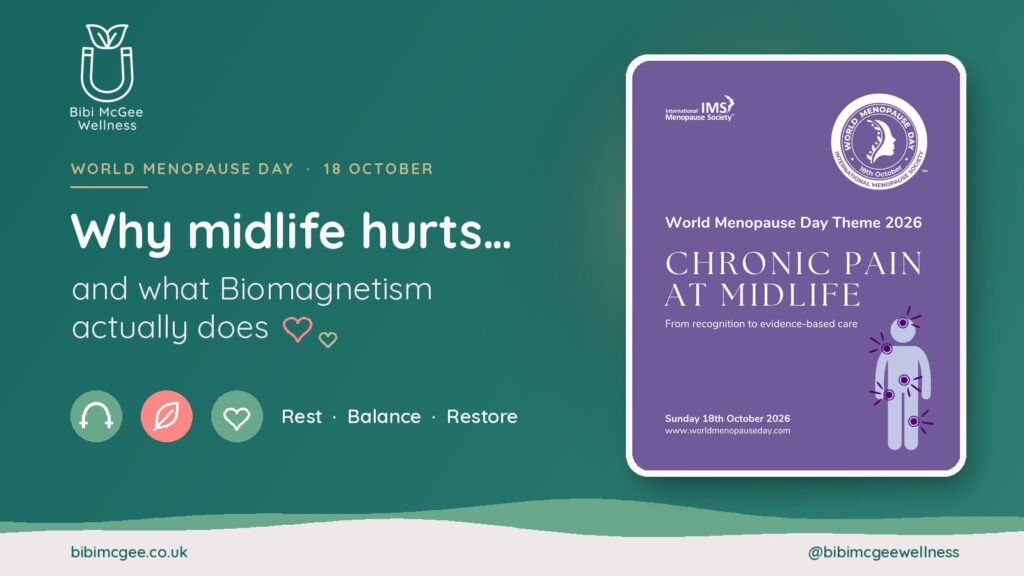
Nobody warns you that menopause can hurt.
We hear about hot flushes and mood swings. We hear far less about the aching hips, the stiff fingers in the morning, the headaches, the old injury that suddenly flares again. Then there’s the bone-deep tiredness that makes all of it feel worse.
This Sunday, 18 October, is World Menopause Day. This year the International Menopause Society has chosen chronic pain in midlife as its theme. It’s a theme close to my heart, because so many of the women who come to see me aren’t there for hot flushes. They’re there because they hurt, they’re exhausted, and they’ve been told “there’s not much you can do about it”.
So, let’s talk about why midlife pain happens, and what Biomagnetism actually does, step by step.
Why pain flares in menopause
Oestrogen does far more than run your cycle. It helps keep inflammation in check, protects joints and connective tissue, and influences how your brain processes pain signals. As levels fluctuate and fall, several things can happen at once:
- Inflammation rises. Joints, muscles and tendons can ache with no obvious injury.
- Pain feels louder. The nervous system becomes more sensitive, so the same signal registers as more painful.
- Sleep breaks down. Night sweats and a wired nervous system rob you of deep sleep, which is when the body repairs tissue and resets pain sensitivity.
- The gut joins in. Hormonal shifts affect digestion and the microbiome, and an unsettled gut feeds whole-body inflammation.
It’s a loop: pain disturbs sleep, poor sleep heightens pain, and stress keeps the whole cycle turning. For women already living with fibromyalgia, endometriosis or post-viral fatigue, menopause can turn the volume up on everything.
What Biomagnetism does
Biomagnetism was developed in 1988 by Mexican physician Dr Isaac Goiz Durán. It’s built on one central idea: the biomagnetic pair.
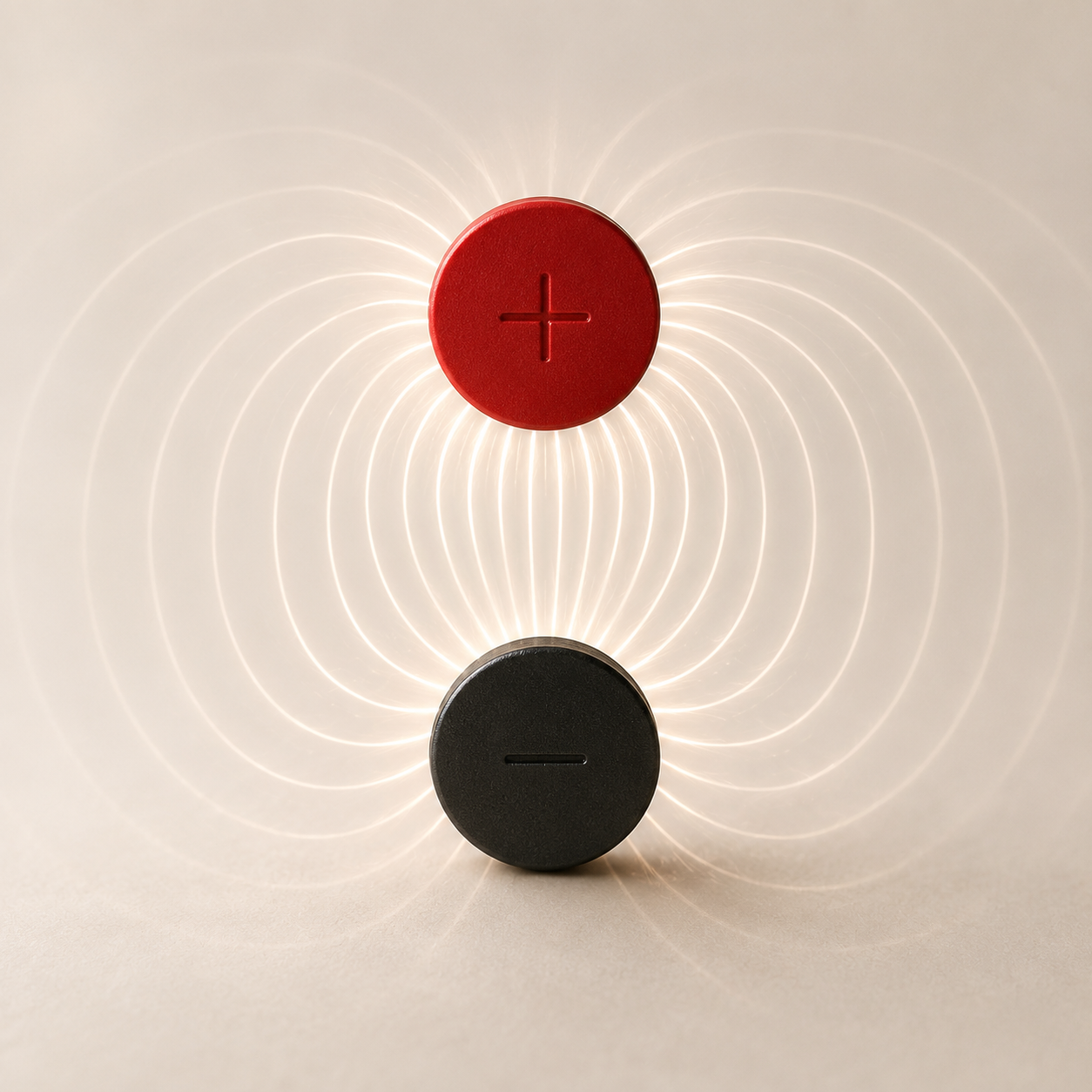
1. The biomagnetic pair. Dr Goiz mapped hundreds of pairs of points on the body. In his model, when the body is under strain, the two points in a pair drift apart in bioelectrical charge. One becomes more acidic, carrying an excess of positive charge. Its partner becomes more alkaline, carrying an excess of negative charge.
2. Why pH matters. Every tissue works best within a narrow pH range. In the Goiz model, when a pair falls out of balance, it creates a local environment where viruses, bacteria, fungi or parasites can thrive, and where tissues can’t function as they should. Restoring that balance is the whole aim of Biomagnetism.
3. Finding the imbalances. I scan the body using a body-response test and this tells me which pairs need attention, so each session is tailored to you rather than following a fixed recipe.
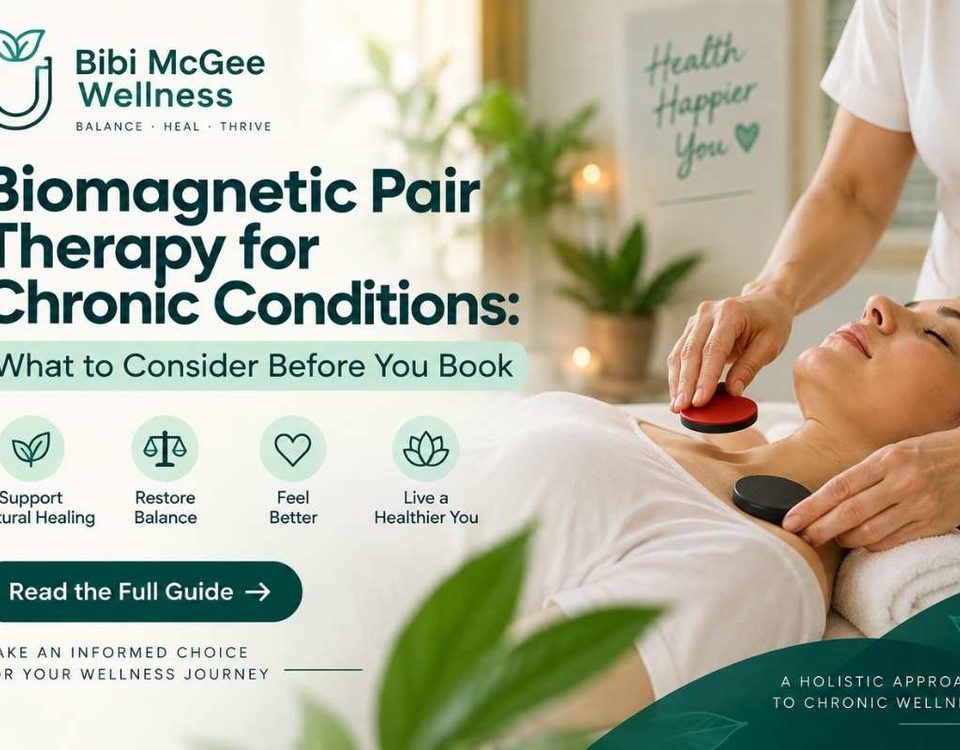
4. Placing the magnets. Once I’ve found a pair, I place a medium-strength magnet on each point: the negative pole on the acidic point and the positive pole on the alkaline point. They usually stay in place for 15–20 minutes.
5. Restoring balance. The biomagnetic draws the two points back towards a neutral pH which makes the area inhospitable to pathogens and lets the body’s own systems return towards homeostasis.
This is the model Biomagnetism practitioners work from.
Where I work with menopausal clients
No two women’s menopause looks the same, so the scan leads. But with midlife clients, the pairs I find most often fall into a few areas:
- The hormonal axis. Pairs around the pituitary, thyroid, adrenals and ovaries, the glands that orchestrate your stress and sex hormones.
- The gut. Pairs along the digestive tract, especially where bloating, SIBO or new food reactions have appeared.
- Inflammation and pain. Pairs linked to joints, muscles and areas of long-standing pain, which matter most in the light of this year’s World Menopause Day theme.
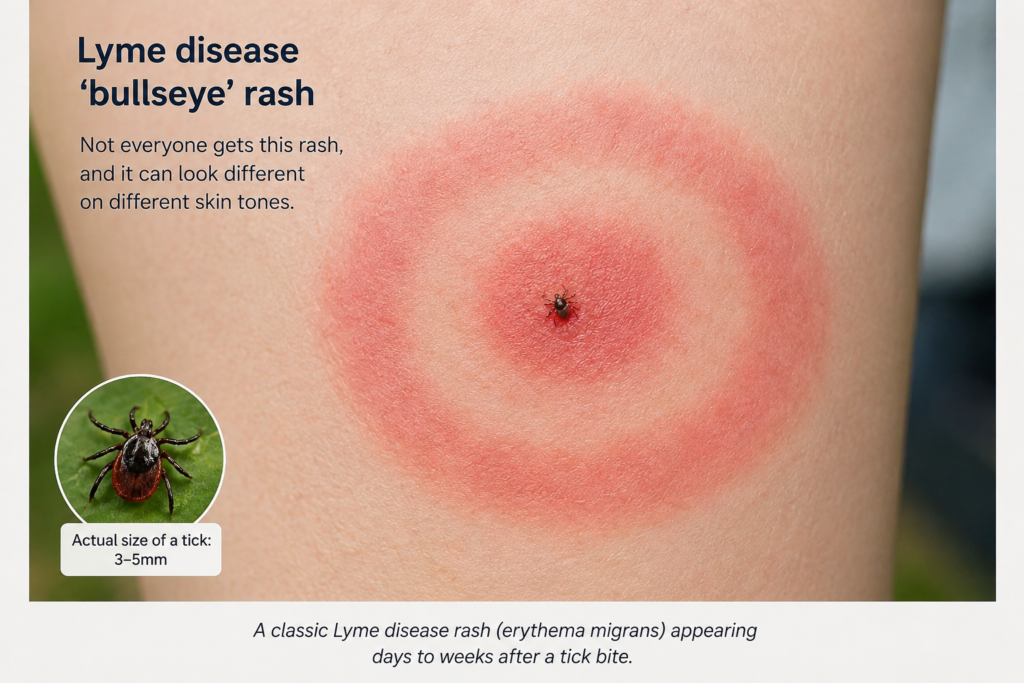
- Old infections. Many women in midlife carry the legacy of conditions such as glandular fever (Esptein Barre), Lyme or long COVID. In Biomagnetism, these leave issues that can resurface when the body is under strain.
- Emotional pairs. Dr Goiz also described pairs linked to emotional load. Midlife often brings caring for parents, teenagers and careers all at once, and that load lives in the body too.
What clients most often tell me afterwards is that they feel calmer, sleep more deeply, and feel lighter in themselves. Your experience may be different, and that’s part of why we review how you’re feeling at each session.
A session, step by step
- We talk. Your health history, your symptoms, and what’s bothering you most right now.
- You lie down, fully clothed. No needles, no manipulation, no need to undress.
- I scan. I work systematically through the body, checking the pairs and noting which are out of balance.
- The magnets go on. Each pair is treated with the magnets in place for around 15–20 minutes. Most women simply rest, and plenty fall asleep.
- We review. I explain what I found, and we agree what support might help between sessions, from herbal remedies to lifestyle changes.
Sessions take place in my private treatment room in East Wittering, near Chichester.
Three things to try this World Menopause Day
- Keep a pain and sleep diary for a week. Note where it hurts, how you slept, and where you are in your cycle if you still have one. Patterns are far easier to spot on paper, and it’s gold dust for your GP.
- Eat to calm inflammation. Oily fish, leafy greens, berries, olive oil and plenty of fibre, with fewer ultra-processed foods and less alcohol.
- Move gently every day. A walk, some stretching, yoga or strength training keeps joints moving and helps you sleep.
If your pain is new, severe or getting worse, please see your GP first. Pain in midlife deserves proper investigation, not a shrug.
“Just your age” isn’t an answer
Menopause is natural, but living in pain shouldn’t be your new normal. Biomagnetism isn’t a replacement for HRT, pain relief or your doctor. It’s a calm, hands-off way to support your body alongside them, and for many of my clients it’s the first time in months they’ve properly switched off.
If you’d like to find out whether it could help you, book a session or send me a message at bibimcgee.co.uk.
Biomagnetism is a complementary therapy. It is not intended to diagnose, treat or cure any medical condition, and should not replace advice from your GP or other healthcare professional.Sources: International Menopause Society — World Menopause Day 2026 theme
Ready to Explore Biomagnetism for Menopause?
If you’d like to find out whether Biomagnetism could support your menopause journey, I offer online and in-person sessions at my home treatment room in East Wittering, West Sussex. I also have a Home Biomagnetism Kit available for those who’d like to begin exploring self-treatment between sessions (online consultations are coming in the future — watch this space).
This post is for educational purposes and reflects a holistic perspective on supporting Menopause.
Bibi McGee Wellness — East Wittering, West Sussex www.bibimcgee.co.uk